18 NASA Endorsed Air-Purifying Houseplants

With winter settling in and your home and office windows sealed shut, the air inside is destined to become a dust cloud of stale air. Fear not, here are 18 NASA endorsed, Air-purifying Houseplants.


\


FUN FACT: According to NASA, certain common indoor plants provide a natural way of removing toxic agents while neutralizing the effects of sick building syndrome. And it's not just the plant, the micro-organisms in potting mix (soil) remove benzene from the air. All you need is at least one plant per 100 square feet of home or office space.


FIRST! Find out what's lurking in your air, then choose the right plant for your needs.

SECOND: Use the above to match the perfect plant, below!


Here are actual pictures of the plants...


The following is a sort of cheat sheet to find which plant is best for various toxins and how to care for it.


To see specific plants and care instructions, check out my Houseplant Air Purifier Pinterest Board, Here.


NOTE: Certain houseplants may be toxic to your pet(s), please check plants for warnings before purchasing.

These NASA Approved Air-Purifying Houseplants Are Everything This Winter

It's the dead of winter. The windows haven't been open in months. The air is dry and filled with dust and winter blah. Thankfully, there's a natural and beautiful way to purify the air in your home with these 18 NASA Approved Air-purifying Houseplants!


But first, some background on NASA approved air purifying houseplants... It all started in 1989 when NASA wanted to figure out a way to clean the air in space stations. Plants were a no-brainer since they have long been praised for absorbing carbon dioxide and releasing oxygen.

 The study found that "certain common indoor plants provide a natural way of removing toxic agents while neutralizing the effects of sick building syndromeThe findings suggested efficient air cleaning is accomplished with at least one plant per 100 square feet of home or office space. Other more recent research found that micro-organisms in the potting mix (soil) remove benzene from the air, so it's not just the plant, but the soil doing the work, too!


So what are these magical plants? Good news, you probably already know/own one or two, but most of all, you can easily find them at your local nursery or big box store. See below for everything you need to know to pick out the best plant for your space. (NOTE: Some may be toxic to your pets, please check plants for warnings before purchasing.)

FIRST! Find out what's lurking in your air, then choose the right plant for your needs.

SECOND: Use the above to match the perfect plant, below!


Here are actual pictures of the plants...


The following is a sort of cheat sheet to find which plant is best for various toxins and how to care for it.


To see specific plants and care instructions, check out my Houseplant Air Purifier Pinterest Board, Here.


How To Grow Organic Strawberries. No Garden Or Green Thumb Needed!


Nothing annoys me more than when I spend WAY too much on a pint of strawberries, only to get them home to find the center three covered in mold. It drives me crazy. You would think after paying $6 for a freaking pint of strawberries, they wouldn't be crap! Wrong.

So, if you too are sick of paying way too much for crappy hothouse strawberries, then keep reading my friend. For under $20 you can grow your own strawberries! No big garden, green thumb or tons of space needed.


Step 1: Pick a pot 

Strawberries grow well in pots, hanging baskets, and of course, in the ground.  Pick the spot and growing contraption that's best for you.  I chose a strawberry pot because it came with the house. (Easy enough)


Step 2: Get the goods

You will need:
  1. Pot/hanging basket/ Topsy-Turvey hanging bag thing
  2. Organic potting soil
  3. NON-GMO Strawberry bulb plants (I went to a local nursery and got 15 bulbs for $10!)
  4. A perfect spot for the strawberries to grow. 


Step 3: Watch the how-to video (not mine, but a super short and complete how-to)


Step 4: Plant the plant!


Step 5: Water and Wait

Most plants will bear fruit within 6-8 weeks of planting!


5 Ways To Prepare The Garden For Fall's First Frost


Whether you like it or not, winter is coming. The telltale signs are everywhere. The trees are beginning to show their beautiful colors, each passing morning ushers in cooler temps paired with dense fog. Oh, yes, winter is coming, and for some, the first frost is days away. 

Before you pack it up and head into the cave for winter, do these five things to protect your garden from winter doom.

How to Organically Drive Out Garden Pests

Just when I thought growing my own veggies was going to be easy, bugs showed up on the scene. Lots of them. The evil little bastards have eaten at least a leaf or two on every plant, and the Roly Poly keep beating me to the strawberries!

THIS MEANS WAR!


Organic, War. Being that the issue is in my organic fruit, veggie and herb garden, my tactics are reduced to equally organic and nontoxic methods.


Since this is my first year having to deal with bugs on this level, most likely thanks to a mild winter allowing the bugs to overwinter and multiply, I have quite a battle ahead. You see, I don't want to actually kill anything. More like, drive the bugs away.


After a few hours of research, to my delight, there are many, many organic ways to control garden pests! Below are the top five most agreed upon ways to organically prevent and drive out garden pest.


1. Healthy soil is essential-Since garden pests feed on mostly dying and decomposing matter, crappy soil is like a buffet. It's essential to start with healthy soil and compost. All gardening experts agree, don't guess at what your soil may need, take it to a nursery or state lab, and have it tested. You will receive a detailed list of what your soil contains and what it is lacking. so worth it. I needed to add iron to mine! 


2. Crop Rotation. Did you know, the pest get comfy in your garden, so the more you switch it up on them, the better. According to Bonnie Plants:


"To keep the vegetable garden healthy, avoid repeating the same planting plan in the same spot. This practise, called crop rotation, can feel a bit like juggling, but it’s important to prevent crop-specific pests and diseases from building up and carrying over from one season to the next in the soil. If you move the crop, the problem has no host on which to live. Ideally, rotate a vegetable (or vegetable family) so it grows in a particular spot only one year out of three."


3. Companion or Intercropping planting- By definition, Companion Planting is the establishment of two or more species in close proximity so that some cultural benefit, such as pest control or increased yield, may be achieved. Not only is companion planting essential for growing the right crops in the right 'bed' position, companion planting can also be used to fight pests!


Click on the photo to enlarge


4. Use Nature to fight nature! Use the guide above to arrange the below plants in the garden to ward off pests.


The following can be used all over the garden and in containers to create a sort of barrier throughout your garden and outdoor sitting areas.


5. Soaps, Oils and egg sells to the rescue- Should the pest be so out of control that immediate and swift action is necessary, using things like essential oils, insecticidal soaps, smother the little pest, while organic material like egg shells and garlic can drive them away. 


TIP: Pull out any weak plants. They may already be infected. If not, they will attract predators. Pull the plant and dispose of it away from the garden area.


FACT: Ducks are the best defense against slugs. They are reportedly sharp slug-spotters!


20 Insanely Cool Urban Gardening Hacks


I like to think of myself as an Urban Gardner. I have strange small spaces, odd shade times, and the city at my doorstep; with all, it's hustle, bustle, and congestion. Still, gardening is my therapy, so I work with what I've got. Sometimes, that means getting very creative. Below are twenty of my favorite gardening hacks, especially for those urban gardeners out there like me, trying to grow everything you can in a concrete jungle... 


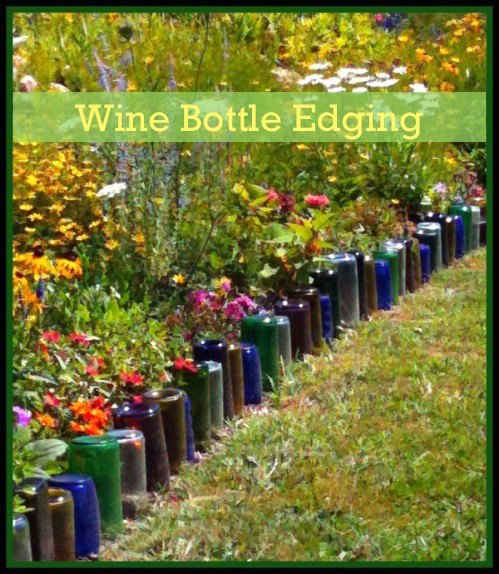
And last... I'm trying this over the weekend!!


To see how-toe and more garden hacks, check out my Gardening Board on Pinterest.